

Popular Tags
FDA’s TAP Pilot Expansion: Why Early FDA Engagement Requires Quality Readiness
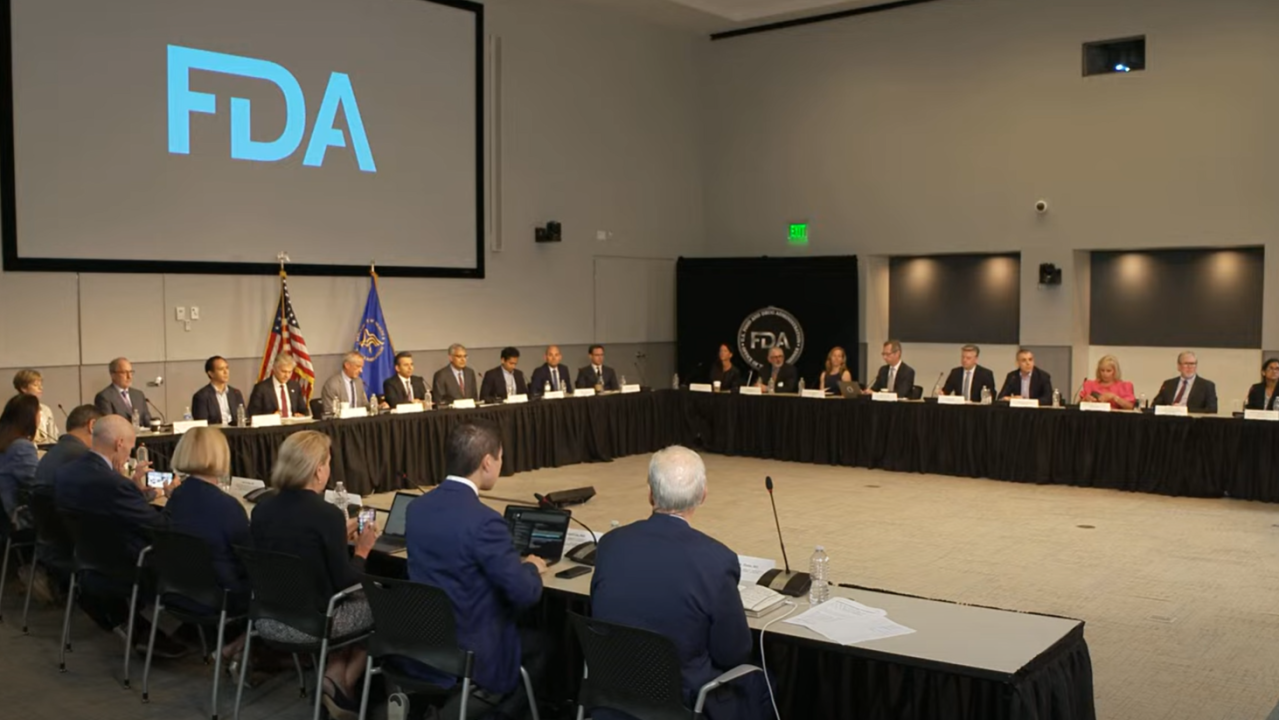
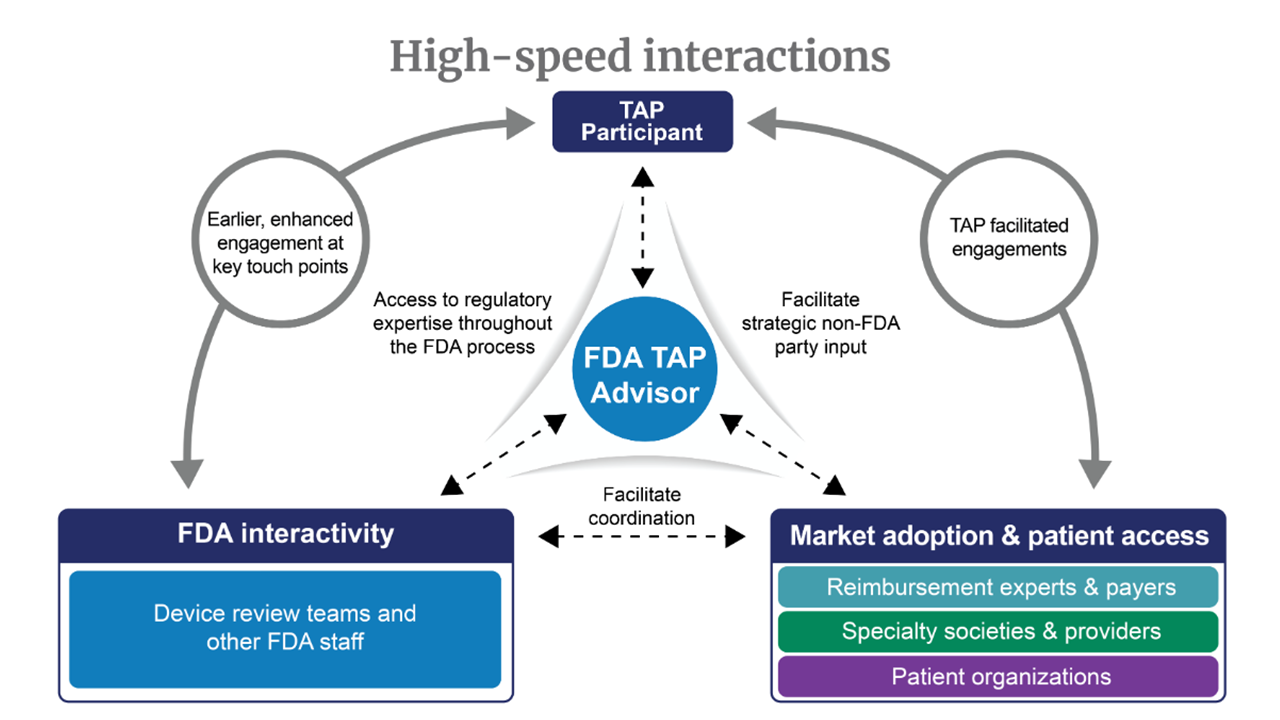
FDA’s Total Product Life Cycle Advisory Program (TAP) continues to expand, giving more medical device innovators the opportunity for earlier, more frequent engagement with FDA during development. As of FDA’s July 2026 TAP update, the program has expanded across all Offices of Health Technologies (OHTs) for qualifying Breakthrough-designated and Safer Technologies Program (STeP) devices.
TAP is intended to help companies identify risks, development challenges, and potential solutions earlier in the device lifecycle. It can also facilitate engagement with non-FDA stakeholders who may offer input on patient needs, clinical evidence development, provider adoption, and reimbursement considerations.
For medical device and combination product teams, this is a valuable opportunity. But early FDA access only helps if your team is ready to use it well.
What FDA’s TAP expansion signals
FDA’s expansion of TAP reflects a broader movement toward earlier alignment in the device development process. Instead of waiting until a submission is nearly complete, FDA is creating pathways for more proactive discussion around product development, evidence planning, and potential barriers to patient access.
That does not mean companies can show up with loose plans and expect FDA to solve the strategy for them.
The value of TAP depends on how clearly a company can explain:
- The device’s intended use and target population
- The current development stage
- The highest-risk technical, clinical, usability, or manufacturing questions
- The evidence needed to support safety and effectiveness
- The design, risk, and quality controls already in place
- The decisions where FDA or stakeholder input would be most helpful
In other words, TAP rewards preparation.
Why this matters for Quality
TAP is not just a regulatory affairs opportunity. It is a quality-system readiness issue.
Early feedback can shape development decisions, but those decisions still need to be documented, controlled, and traceable. If a TAP interaction leads to changes in design, testing strategy, clinical evidence planning, labeling, manufacturing approach, or risk controls, those changes should flow back into the quality system.
That means quality teams need to be involved early, not brought in after the regulatory conversation has already happened.
For device and combination product teams, TAP-related planning should connect to:
- Design inputs and design outputs
- Use-related risk and human factors strategy
- Risk management files
- Verification and validation plans
- Clinical evidence strategy
- Supplier and manufacturing readiness
- Software, cybersecurity, or data governance controls when applicable
- Labeling and training materials
- DHF and submission traceability
If those pieces are disconnected, early engagement may create more work rather than less.
What teams should do before pursuing TAP
1) Define the questions you need answered
Before engaging FDA, identify the decisions that could materially affect your development path. Avoid broad questions like “Is our strategy acceptable?” Instead, focus on specific issues: testing approach, clinical evidence gaps, usability risks, device changes, patient population, or manufacturing readiness.
2) Pressure-test the evidence plan
TAP can help clarify expectations, but your team should already have a thoughtful evidence strategy. Identify what data you have, what gaps remain, and how each planned study or test supports a regulatory decision.
3) Align the DHF with the regulatory story
Design controls should support the story you plan to tell FDA. Make sure your design inputs, outputs, risk controls, verification/validation plans, and change history are connected and easy to follow.
4) Include Quality in the conversation early
If early FDA feedback leads to a change in development strategy, Quality should help evaluate the impact on risk management, validation, supplier controls, labeling, manufacturing plans, and documentation.
5) Capture decisions and follow-through
TAP interactions should not live only in meeting notes. Key decisions, feedback, assumptions, and action items should be incorporated into controlled project plans, risk files, design documentation, and submission strategy.
A practical TAP readiness checklist
Before pursuing TAP or a similar early FDA engagement pathway, ask:
- Is the intended use clearly defined?
- Are the highest-risk development questions identified?
- Is the evidence plan mapped to regulatory decisions?
- Are design inputs, outputs, risk controls, and validation plans traceable?
- Are human factors, clinical, software, cybersecurity, and manufacturing considerations aligned where applicable?
- Is Quality involved in assessing the impact of FDA feedback?
- Is there a process for converting feedback into controlled actions and documentation updates?
Bottom line
FDA’s TAP expansion is good news for innovative device developers. Earlier engagement can reduce uncertainty, clarify expectations, and help teams avoid late-stage surprises.
If your team is preparing for TAP, Breakthrough Device development, a STeP device strategy, or an early FDA interaction, QSN can help pressure-test the development plan, DHF traceability, risk documentation, and submission strategy before the conversation begins.